Trauma-informed Therapy
Support for trauma and relationship patterns — helping you reconnect with yourself and others


When Connection Feels Hard
You might recognise the pattern, yet it keeps repeating. Arguments spiral into the same place, or you go quiet and shut down.
You want closeness — but it can feel unsafe, so you pull back, push away, or hold on too tight. You can see what's happening, but knowing that doesn't seem to change it.
With friends or at work, you might find yourself holding back, overthinking interactions, or bracing for conflict before it even arrives. When emotions hit fast, it's hard to respond the way you actually want to.
Most of these patterns developed for a reason. If earlier experiences taught you that your needs were too much, or that closeness came with hurt, your mind and body learned ways to protect you. Those responses made sense at the time — but they can be difficult to shift on your own.
Therapy can be a space to look at them clearly — without judgement, and without having to figure it out alone.
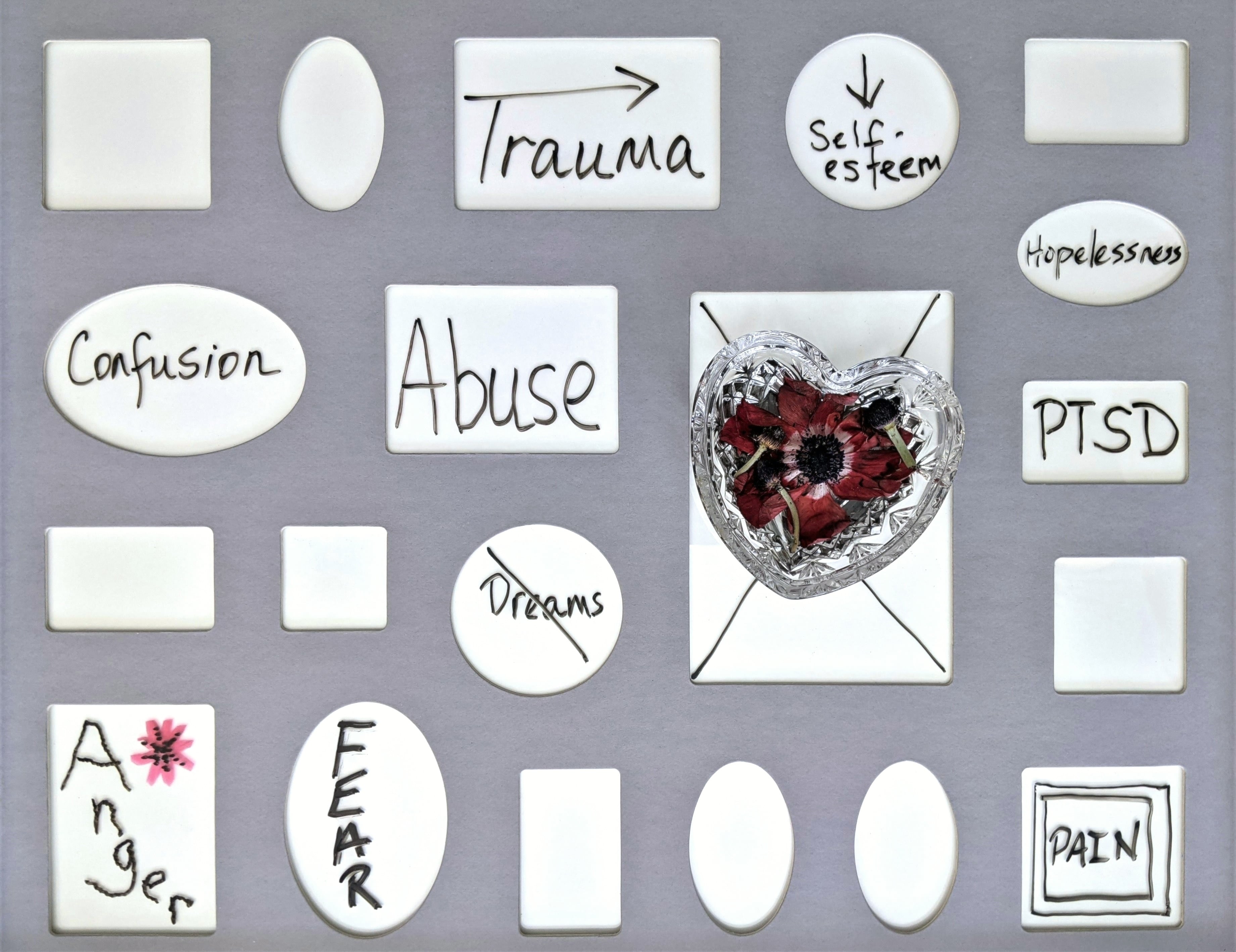
Complex PTSD & Childhood Trauma
Trauma isn't always a single event. For many people, it builds over time — through repeated experiences of neglect, emotional unavailability, or abuse, through growing up having to manage too much too young, or through years of exposure to others' pain. When that's the case, it can be harder to name and easier to dismiss — there's often no clear "before," just a gradual sense that things have always felt harder than they should.
You may have learned to stay on high alert, shut down feelings, or put everyone else's needs first. Those strategies helped you get through — but they can be hard to switch off.
You might feel on autopilot, struggle to know what you need, or find it in your body — the tension you can't release, the sleep that won't come, the sudden racing heart in situations that shouldn't feel threatening.
The stories we carry — that we're not enough, that the world isn't safe, that we have to manage everything alone — were learned, not chosen. Therapy can be a space to examine where they came from, and to slowly build a relationship with yourself — and with others — that feels steadier and more true.
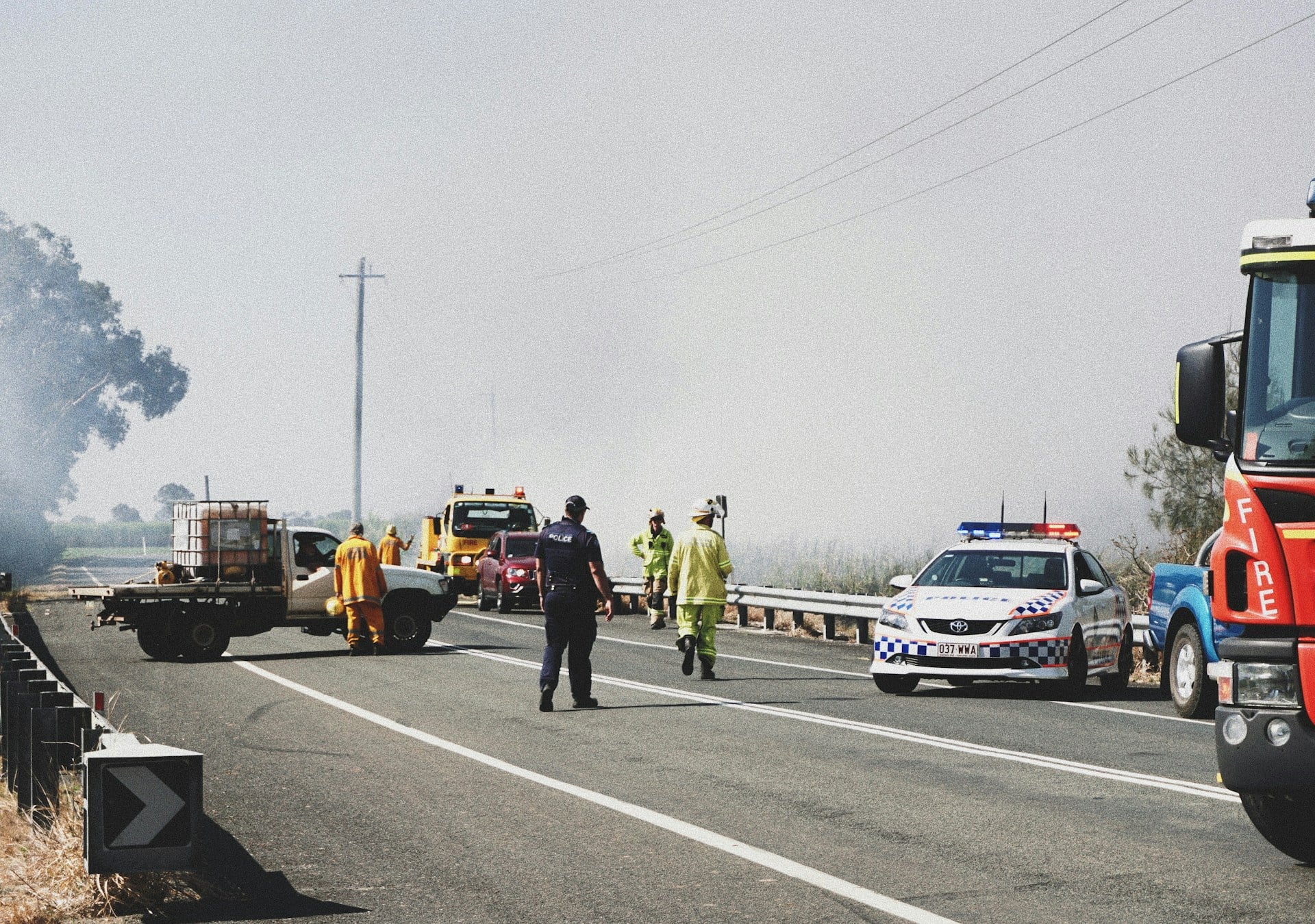
When Safety Shatters In An Instant
A single event can change the way you experience yourself and the world — a crash, assault, traumatic birth, medical emergency, witnessing violence, or a sudden loss. Even when the danger has passed, your body may still react as if it hasn't.
What's often described as PTSD — post-traumatic stress disorder — can look like being constantly on edge, easily startled, or caught in intrusive memories you can't switch off. Triggers can be ordinary things — a sound, a smell, a familiar route — and avoiding them can quietly start to shrink your world.
Many people also carry guilt or self-blame, replaying the event and wondering what they could have done differently. When there's loss involved, grief can feel complicated — mourning not just a person, but your sense of safety, or the life you expected.
You might still want closeness, but find yourself guarded or withdrawn — not because something is wrong with you, but because your nervous system learned to protect you, and hasn't yet had the chance to learn that things are different now.
Therapy can be a space to understand what's happening and gently process the experience in a way that feels manageable. The goal isn't to erase what happened — but to help it become one part of your story, rather than the part that defines it.
Feel free to reach out with any questions
Please note: We're not a crisis or emergency service. If you need urgent help or you don't feel safe, call 000 or go to the nearest Emergency Department. For 24/7 support, contact Lifeline 13 11 14 or Suicide Call Back Service 1300 659 467.
Phone
We'd love to hear from you! Get in touch to discuss about any questions you have or to book an appointment that works for you.
0481 830 110Contact us via email if you have any questions, wish to share feedback, or need to discuss appointment details.
Admin@wellbeingsclinicalpsychology.com.auIn-Person Sessions
A short walk from Revesby Train Station,
with free parking nearby. Appointment only.
Located in My Health Network,
6 Marco Avenue, Revesby NSW 2212
Professional support is available when you're ready